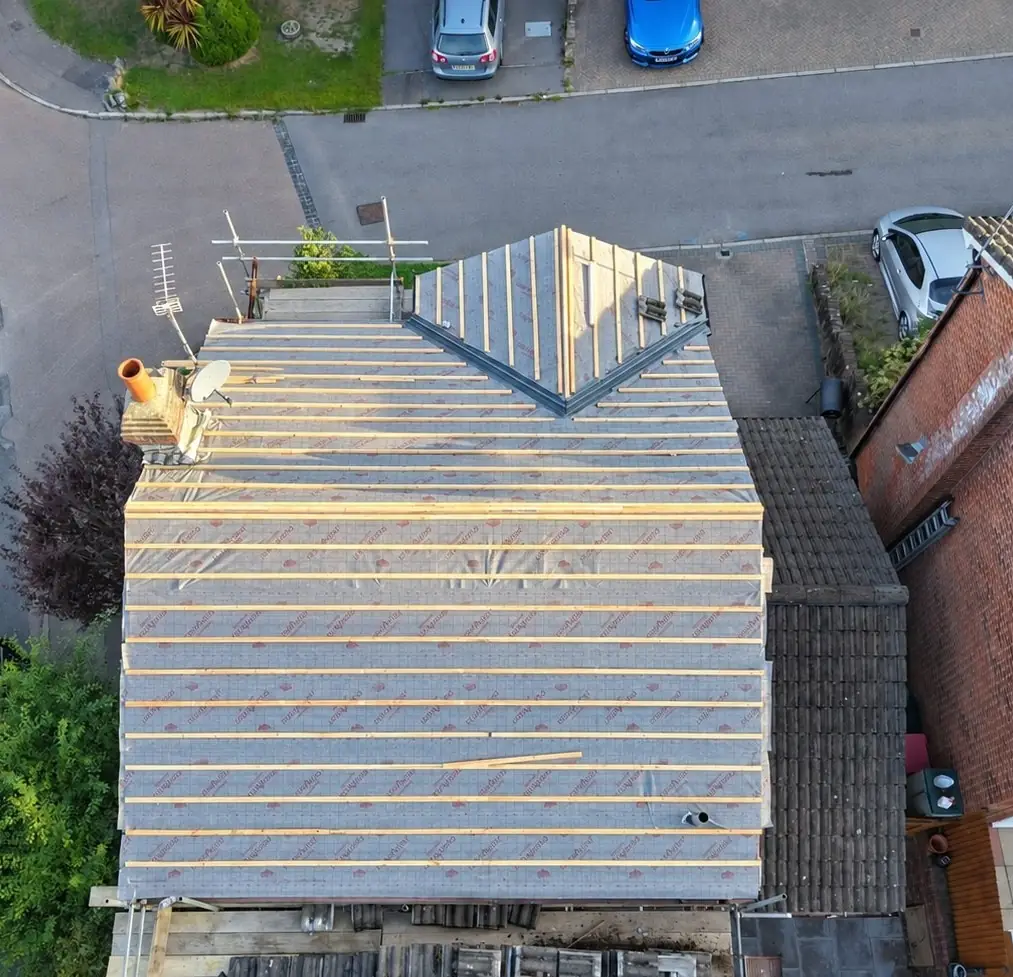
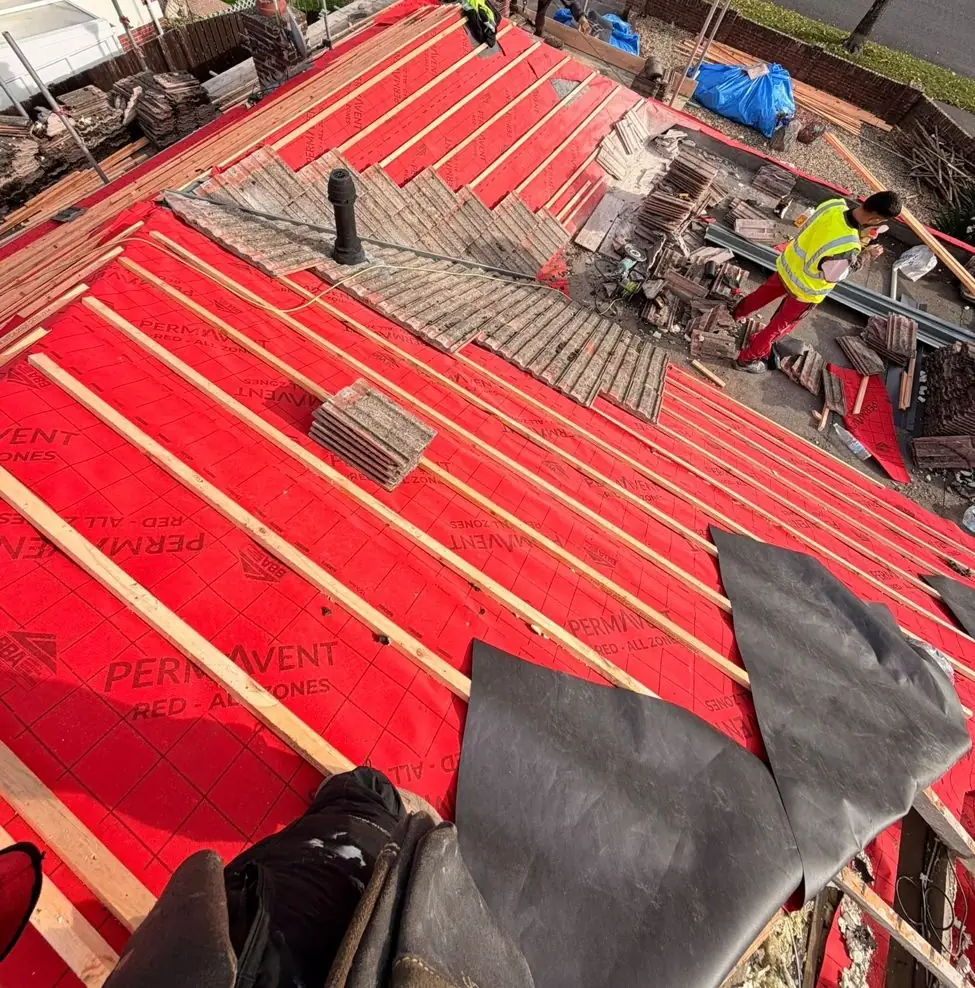
What spray foam insulation is.
Spray foam insulation is a polyurethane foam sprayed onto the underside of a roof. It expands, sets within minutes and fills the gaps between and over the rafters. It was widely sold as a quick way to cut heat loss without disturbing the loft floor.
There are two main types. Open-cell foam is soft and spongy, and lets some moisture pass through. Closed-cell foam is hard and rigid, and acts as a barrier to moisture. Both cover the timbers, and both are the reason surveyors now pay close attention to lofts that have them.
Spray foam isn't a problem in every home. Where it was applied with care, onto the right surface and with ventilation kept clear, a roof may stay dry and sound. The trouble is that from inside the loft you often can't tell, which is why so many homeowners end up asking whether theirs is causing harm.
Common spray foam insulation problems.
Most issues with spray foam insulation come back to one thing: it changes how the roof deals with moisture. Traditional UK roofs are designed to breathe. Air moves in at the eaves, across the underside of the roof and out at the ridge, carrying away the moisture that rises from the house below.
When foam is sprayed straight onto the felt or the back of the tiles, that airflow can stop. Warm, damp air from the house still rises into the loft, meets a cold surface and turns to condensation. With nowhere to escape, the moisture sits against the rafters and battens.
Closed-cell foam can make this worse in some roofs, because it acts as a barrier and bonds tightly to whatever it touches. Open-cell foam can hold moisture within it. Either way, the result can be timber that stays damp for long periods.
Timber rot you can't see.
Damp timber is at risk of rot. In a normal loft, you'd spot dark staining, soft patches or a musty smell early and deal with it. With spray foam covering the rafters and battens, those signs are hidden.
Battens are a particular worry. They hold the tiles or slates in place, and if they weaken, tiles can slip or the roof can sag. Because the foam conceals them, damage can build up for years before anyone notices.
A Property Care Association survey of more than 500 homes found at least one defect linked to spray foam in 35% of them. That doesn't mean every roof is affected, but it shows why an inspection is worth having.
Roof faults hidden behind the foam.
Spray foam doesn't just hide the timbers. It also hides the roof covering. A slipped tile, a cracked slate or a tear in the felt would normally show up as a damp patch or daylight from inside the loft. With foam in the way, water can find its way in and spread before you see anything.
That's also why leaks in homes with spray foam can be hard to trace. Water may travel along the foam and appear well away from where it entered. A drone survey of the outside of the roof, alongside an inspection inside, gives the clearest picture.
Mortgage, sale and insurance problems.
This is the problem most homeowners notice first. When a lender's surveyor can't see the roof timbers, the lender may not be able to confirm the roof is sound, and may ask for more information. That can add time to a purchase or remortgage.
Some home insurers also ask whether a property has spray foam. If you're unsure how it affects your cover, ask your insurer directly. Our guide to spray foam and mortgages covers the lending side in more detail.
Is spray foam insulation bad?
Not always. The material itself does what it was sold to do: it insulates. The problems come from where and how it was applied. Foam sprayed straight onto felt or tiles, foam that blocks the eaves, and foam fitted without any check of the roof's ventilation are the cases that tend to cause trouble.
Installation quality varies too. Foam can shrink, crack or pull away from the rafters over time, letting cold air and moisture into the gaps. And because many installations came with little or no paperwork, homeowners often don't know what type of foam they have or who fitted it.
Signs your spray foam may be causing problems.
Look for water droplets on the foam or nearby timbers, especially on cold mornings. Dark staining, damp patches on upstairs ceilings, a musty smell in the loft, or foam that has cracked or shrunk back from the rafters are all worth a closer look.
Paperwork is a clue too. If a surveyor has flagged the foam, a lender has paused an offer, or you don't know who installed it or when, an inspection will tell you where you stand.
What to do next.
Don't panic, and don't start scraping foam off yourself. Closed-cell foam in particular bonds hard to the felt and battens, and removing it without care can damage the roof.
Start with a free loft inspection. We record the foam type, how it was applied, what we can see of the timbers and whether the roof can breathe, and write it up with photos. If removal is recommended, you get a written quote. If it isn't, we'll tell you that, and what to keep an eye on.
Your options.
A free loft inspection and written report tell you whether your foam is causing harm.
If the foam isn't causing a problem and you're not selling or remortgaging, monitoring may be enough.
Where foam is trapping moisture or holding up a sale or mortgage, removal makes the roof visible again.
Fix any damage the foam was hiding, so the roof is sound once it's clear.
Questions
Why are people removing spray foam insulation?
Two main reasons. First, it can trap moisture against the roof timbers, which can lead to rot that stays hidden. Second, lenders and surveyors are wary of it, so it can hold up house sales and remortgages. Removing it lets the roof be seen, checked and ventilated again.
What are the negatives of spray foam insulation?
It can stop a roof breathing, trap moisture against the timbers and hide rot, leaks and damaged battens. It can make it harder to get a mortgage or sell your home. It's also difficult to remove once applied, especially closed-cell foam, which bonds firmly to felt and timber.
Is closed-cell or open-cell foam more of a problem?
Both can cause problems. Closed-cell foam is a moisture barrier and bonds hard to the roof, so it can trap moisture and is harder to remove. Open-cell foam can hold moisture within it. How and where the foam was applied usually matters more than the type alone.
Can spray foam cause damp in the loft?
It can. Warm, moist air rises from the house into the loft. If foam has blocked the airflow at the eaves and ridge, that moisture can condense on cold surfaces and has nowhere to go. Water droplets, staining or a musty smell are signs worth having checked.
How do I know if my spray foam is causing problems?
From inside the loft, you often can't tell for sure, because the foam covers the timbers. Look for condensation, staining, damp patches on upstairs ceilings, a musty smell or foam pulling away from the rafters. An inspection with photos is the reliable way to find out.