Broken drains fixed, usually without digging.
Updated
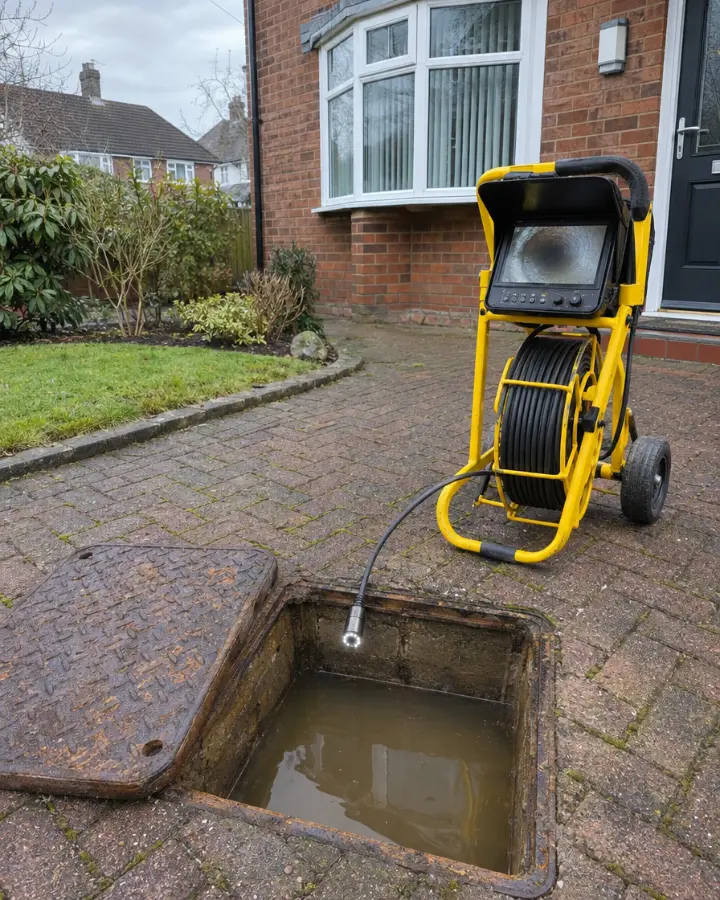
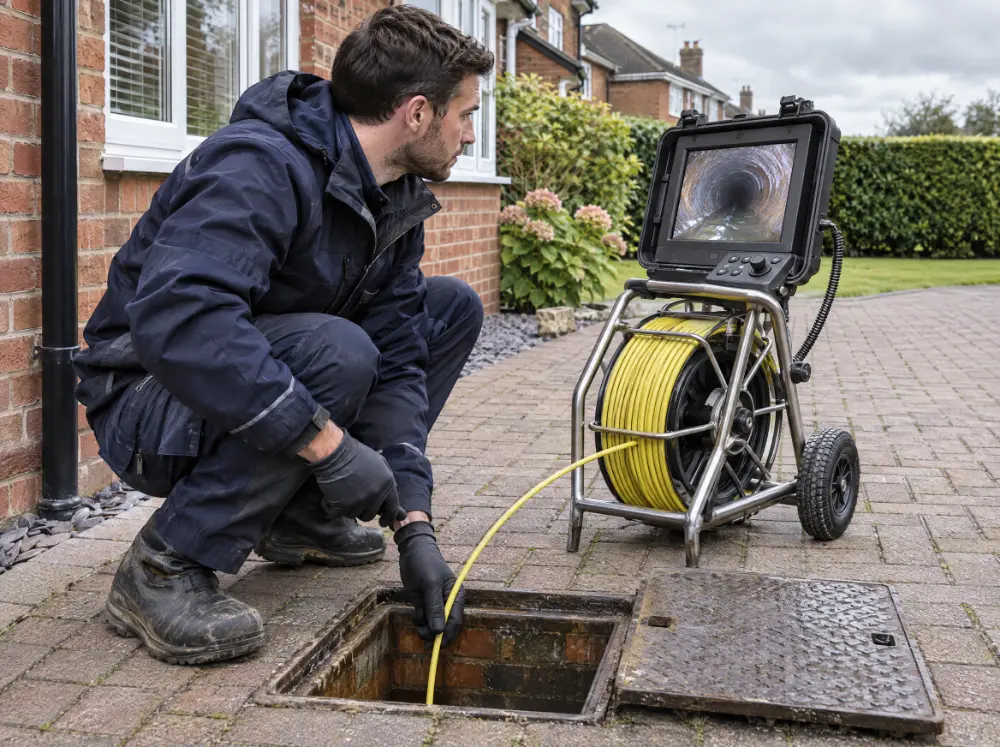
Most drain repairs can be done from inside the pipe with a patch or a liner, so your lawn, patio and drive stay where they are. A free CCTV survey shows which repair you need before we quote.
- Free CCTV survey first
- No-dig repairs wherever possible
- Filmed again when finished
- PipeCracked over 2 joints
- RootsNone
- AdviceLine, no dig
 9.93/1010-year written guaranteeFree drone and CCTV surveysLeaks treated as a priority
Drain repairs we carry out.
- Cracked pipesOld clay and concrete pipes that have split.
- Displaced jointsSections pushed out of line by ground movement.
- Root damageRoots that have broken in through the joints.
- Deformed pitch fibrePipes that have softened and lost their shape.
- Collapsed sectionsPipes crushed or caved in under the ground.
- Leaking drainsWater escaping into the ground near walls.
Three ways to repair a drain.
A short liner bonded over one crack or joint.
A resin liner through the whole run, forming a new pipe inside the old.
Dig and replace, kept for collapses a liner cannot fix.
From damaged to sound.
- 1SurveyCCTV first
The camera shows the damage and where it is.
- 2QuoteWritten price
The repair method explained with the footage.
- 3RepairFixed from inside
Cleaned, then patched or lined.
- 4CheckFilmed again
You see the finished pipe on screen.
How drain repairs work without digging.
Drain relining puts a new pipe inside the old one. First the drain is cleaned with high-pressure water so the liner can bond to the pipe wall. A felt or glass-fibre liner soaked in resin is then pulled or pushed into the pipe from a chamber, inflated so it presses against the walls, and left to cure. Once it has set, it forms a smooth, joint-free pipe inside the old one.
A patch repair works the same way over a short length, usually to seal a single crack or a leaking joint. A full liner runs the length of the drain and is used when the damage is spread along it. Both are done through existing access points, so the garden, patio or drive above is left alone.
Relining does reduce the inside of the pipe a little, but the new surface is smoother, so it carries water well. The finished liner seals out roots and stops water escaping into the ground.
When digging is the right answer.
A liner needs something to hold its shape against. If a pipe has collapsed completely, or a section has sunk so far that the liner would leave a dip where water sits, the damaged length needs to be dug out and replaced. The same is true if a drain needs rerouting for an extension.
When that is the case, we show you on the footage why a no-dig repair will not work, and the written quote sets out where we will dig, how far, and how the ground will be made good afterwards.
Why damaged drains are worth fixing.
A cracked drain does not just block. Water leaking from it can wash soil away from under paths and foundations, soak walls and attract roots that make the damage worse. Fixing it early is usually cheaper and simpler than waiting for a collapse.
If the damaged drain is shared with neighbours or runs beyond your boundary, it may be your water company's responsibility to repair it. The CCTV footage shows where the damage is, so you know who to call.
What affects the cost of drain repairs.
We price after the CCTV survey. These are the main factors.
- Repair method
- A patch, a full liner or excavation.
- Length and size
- How much pipe needs repairing, and its diameter.
- Access
- Where the chambers are and how many bends there are.
- Making good
- Reinstating paving, lawn or drive if we dig.
 out of 10 · 5 reviews
I cannot speak highly enough of Clearline Roofing & Drainage. From the very first call through to the final tidying up, the whole team were absolutely excellent — professional, polite, punctual, and a credit to their trade. We had a combination of roof repairs and drainage issues needing attention, and they handled everything with real expertise and care. They took the time to explain exactly what work was needed, kept us fully informed…
Drain repair questions.
Anything else, just call. You'll speak to someone who knows roofs.
Call us07888 868356What is drain relining?
Drain relining puts a new pipe inside the old one. A liner soaked in resin is fed into the cleaned drain from a chamber, pressed against the walls and left to set hard. It seals cracks and joints, keeps roots out and stops leaks, all without digging up the ground above the drain.
How long does a drain liner last?
A properly installed resin liner is designed to last for many decades. How long it lasts in practice depends on the condition of the host pipe, the ground around it and how well it was cleaned and installed. You get the written guarantee for the repair with your quote, so you know what is covered.
Can tree roots be stopped from coming back?
Yes, by sealing the pipe. Roots get in through small gaps at the joints, so cutting them back only works until they regrow. Once the drain is relined or patch-repaired, there are no gaps for them to get through. If a tree is very close to the drain, we will talk through the options with you.
Is a collapsed drain covered by home insurance?
Some home insurance policies cover accidental damage to underground pipes, but many exclude wear and tear or gradual deterioration. Check your policy and call your insurer before work starts. Our CCTV footage and written findings give your insurer a clear record of the damage, but the claim itself is between you and them.
Where this information comes from.
General information, not legal, financial or mortgage advice. Lender, insurer and council rules vary and change, so check with them or a qualified adviser.
You might also need.
Fix the pipe, keep the garden.
A free CCTV survey shows which repair your drain needs.